
Health officials are still pointing to lettuce from a specific farm as the likely source of a widespread illness caused by a parasitic infection. The parasite, known as cyclospora, can lead to severe diarrhea and other symptoms. Over 1,600 cases have been confirmed so far, with thousands more suspected across multiple states.
The Food and Drug Administration initially identified the parasite on a sample of iceberg lettuce from Taylor Farms in Mexico. That result was later taken back after further review showed it had been a mistake. The agency said the finding was a false positive. Despite this retraction, officials still believe the outbreak is tied to that particular brand of lettuce.
Taylor Farms had supplied products to major retailers including Walmart and fast-food chains like Taco Bell. The company issued a recall for its iceberg lettuce after the initial test results were announced. The recall came before the FDA withdrew its positive finding.
Tracing the source of infections caused by parasites is difficult. Small sample sizes may not reflect what’s in an entire crop. Experts say that often, findings are based on what patients remember eating in recent weeks. In this case, many people who became sick reported having eaten lettuce from Taco Bell or other outlets that used Taylor Farms products.
The situation has raised questions about how health agencies determine the origin of foodborne illnesses. The parasite is known to be found in contaminated water or food. It can also be contracted through contact with polluted environments. Not every person who gets sick with cyclospora is part of the same outbreak cluster.
Even though the official test result has been retracted, health officials are still advising people to avoid consuming any of the recalled lettuce. They also recommend washing hands and surfaces that come into contact with food to reduce risk of infection.
This year’s outbreak is expected to be one of the worst on record since the 1990s. Cyclospora infections typically occur during summer months, but this season has seen a particularly high number of cases. Experts note that while outbreaks are not always connected directly to food, they often involve contaminated produce or water sources.
The FDA continues its investigation into how the parasite entered the food supply chain. Officials are working with state and federal partners to track down where contamination might have occurred. The agency is also reviewing lab procedures to prevent similar errors in future.
For now, people who ate lettuce from Taylor Farms or purchased products containing it should monitor their health closely. Those experiencing symptoms like prolonged diarrhea, fatigue, or nausea should seek medical attention. Public health warnings remain in place as more information becomes available.
The confusion around the test result has caused some uncertainty among consumers and food safety experts alike. Some have questioned whether the retraction was necessary or if it reflects a deeper issue in how lab results are interpreted. The FDA has not provided detailed explanations about why the original finding was incorrect.
Despite the setback, officials say they are continuing to follow up on leads related to the outbreak. They are relying on patient reports and epidemiological data to narrow down possible sources of infection. The focus remains on identifying where the contamination started and how it spread through the food system.
The incident highlights the challenges that arise when dealing with diseases that are hard to detect in small samples. It also shows how quickly public health responses can shift based on new information. As more data comes in, officials will likely adjust their guidance accordingly.
In the meantime, the public is being urged to stay informed and cautious about produce purchased from affected suppliers. The FDA continues to update its list of recalled items and warning notices as needed. Health departments across several states are also monitoring local cases closely.
The outbreak remains under investigation. Officials say they will continue to provide updates as more details emerge about the source of contamination. For now, avoiding recalled products is the best way for individuals to protect themselves from further exposure.
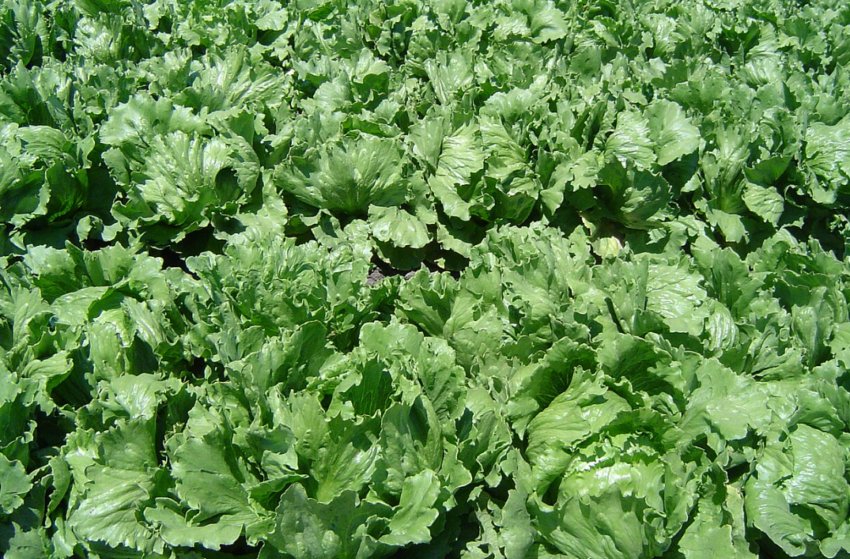
IMAGE: Close-up of an iceberg lettuce field in Northern Santa Barbara County (California, USA) between Santa Maria and Lompoc, on July 31, 2005.
This article passed automated originality and source-verification checks before publishing.