
The war between the United States and Iran entered a more dangerous phase on Saturday. Two American service members were killed during an Iranian missile and drone attack in Jordan. A third service member remained missing as both countries prepared for more strikes.
According to U.S. Central Command, the attack happened on July 17 while American and partner forces defended positions in Jordan. Four other service members were taken to hospitals and later released. Several personnel with minor injuries returned to duty.
The deaths were the first announced American combat losses from direct Iranian fire during the latest round of fighting. They also increased pressure on President Donald Trump to answer the attack. The military response began before the day ended.
News moved quickly throughout Saturday, and several details changed as military statements arrived. Early reports described a seventh night of American strikes, while a later CENTCOM release confirmed an eighth operation had ended at 11:30 p.m. Eastern time. Claims from Iran, the United States, and regional governments often differed, making independent confirmation difficult during active attacks and disrupted communications across a wide and heavily defended regional battle zone.
CENTCOM said the United States completed an eighth consecutive night of strikes against Iran late Saturday.
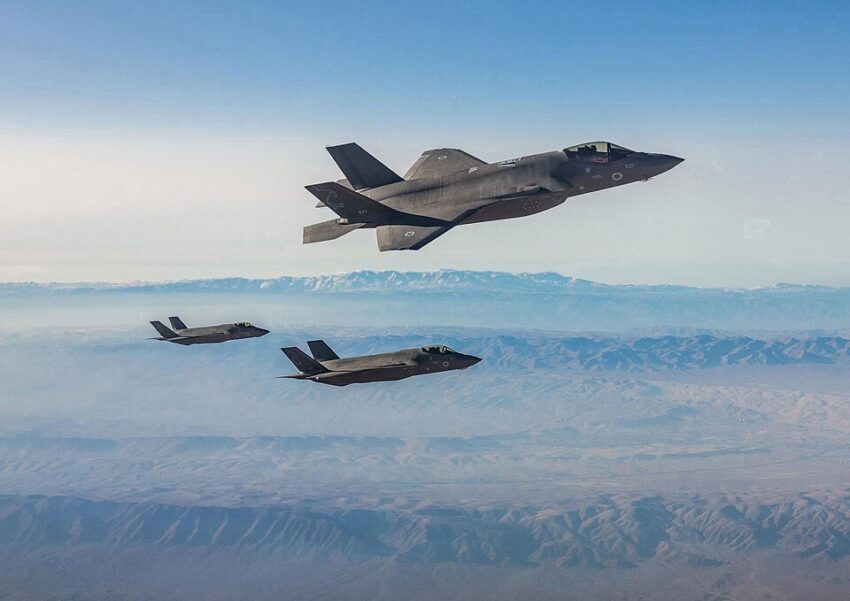
The command said American aircraft, drones, ships, and other weapons hit coastal surveillance systems, air defenses, maritime forces, and storage sites for missiles and drones. It also said the operation targeted Revolutionary Guard units linked to the Jordan attack. More than 50,000 American military personnel are now operating across the Middle East.
Reuters reported that the attack in Jordan raised the total number of U.S. service members killed since the war began to 16. More than 420 have been wounded, according to the same report. The names of the two latest victims were withheld while their families were notified.
Iran also expanded its attacks against countries that host American forces. Kuwait faced ballistic missiles and drones through much of Saturday. Bahrain, Saudi Arabia, and Jordan also activated defenses or reported threats.
Kuwaiti officials said an oil facility suffered significant damage and injuries during repeated Iranian attacks. Firefighters and oil workers were among those hurt. A water desalination plant was also hit for the second straight day.
Those attacks created a direct threat to basic services.
Kuwait depends heavily on desalination for drinking water. Damage to those systems can quickly affect homes, hospitals, and businesses. It can also push Gulf governments toward a stronger military response.
Iran’s Revolutionary Guard claimed it struck American military facilities in Kuwait, Bahrain, and Jordan. It also claimed that U.S. aircraft were destroyed. Some of those claims had not been confirmed by American officials by Saturday night.
The fighting is centered on the Strait of Hormuz. The narrow waterway handled about one fifth of the world’s oil supplies before the war. Iran has restricted shipping there, while the United States says it is enforcing a naval blockade against Iranian ports.
The Associated Press reported that American strikes damaged bridges, tunnels, electricity systems, and desalination facilities in southern Iran. Some damage was reported near Bandar Abbas and other areas close to the strait. Iranian state media said a main highway toward Bandar Abbas was disrupted.
Iranian authorities said at least 50 people were killed and more than 500 were wounded during three weeks of renewed American strikes. Those figures could not be independently confirmed. Reports from inside Iran remain limited because access and communications are restricted.
Civilian risks are rising on both sides of the Gulf. Water plants, bridges, roads, ports, and energy facilities are now part of the battlefield. International law gives special protection to civilian objects and services needed for survival.
Oil markets reacted before the latest American deaths were announced. Reuters reported that prices rose more than four percent Friday and reached their highest level in over a month. Brent crude also moved above $85 a barrel during trading reported by CBS News.
A longer disruption in the strait could raise fuel and transportation costs worldwide. It could also increase food prices because farming, shipping, and manufacturing depend on energy. Governments are watching the waterway as closely as the military attacks.
The diplomatic track has nearly stopped. A preliminary agreement signed about a month ago was meant to reduce fighting and reopen shipping. That agreement has now broken down after attacks on ships, renewed sanctions, and growing strikes on infrastructure.
Iran’s supreme leader, Mojtaba Khamenei, accused Washington of breaking the agreement. A statement carried by Iranian state media said Trump’s signature had no value. Iran also suspended its commitments under the interim deal.
The United States says Iran caused the renewed fighting by attacking commercial shipping and American positions. Iran says the United States is trying to seize control of the strait and weaken the country. Each side now describes its attacks as retaliation.
European and Gulf governments called on Iran to stop attacks and interference with maritime traffic. They also demanded that the Strait of Hormuz remain open without fees or conditions. No major ceasefire plan was announced Saturday.
The next decisions may determine whether the conflict remains an air and naval war. More attacks on American troops could bring larger U.S. strikes. More damage to civilian systems could also draw Gulf states into direct combat.
Trump has threatened Iranian power stations, bridges, and other important targets. U.S. officials say current strikes are aimed at military capabilities. Iran says several attacks have damaged civilian sites and killed civilians.
The war is now moving faster than diplomacy. Both governments have crossed limits that once slowed escalation. Their forces are operating across a crowded region filled with military bases, ports, cities, and energy facilities.
Saturday ended with American families waiting for names, Iran warning of further retaliation, and Gulf countries preparing for another night of alarms. The immediate question is not whether more attacks will happen. It is how large the next exchange will be, and how many countries it will reach.