
Digital News Report- The year 2009 has been dubbed the “International Year of Astronomy” and coincides with the 400th anniversary of the first recorded astronomical observations with a telescope by Galileo Galilei. The Year was declared by the 62nd General Assembly of the United Nations in conjunction with the International Astronomical Union. It has also been endorsed by UNESCO (United Nations Educational, Scientific and Cultural Organisation). The theme of this years event is “The Universe, yours to discover”.
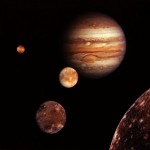
In 1906, Galileo Galilei turned one of his telescopes to the night sky for the first time and discovered mountains and craters on the Moon, moons around Jupiter, and many stars visible to the naked eye. These discoveries changed mankind’s perception of the universe and shaped the future of astronomy.
On January 15th and 16th, the Opening Ceremony will occur at the UNESCO headquarters in Paris, France, followed by ceremonies and events all around the world throughout the entire year. Over 600 people are expected to attend the event, including eminent scientists, Nobel Prize winners, and about 200 students from over 100 countries. Though the event may be invitation only, it will be streamed live online.
Numerous events are set to take place around the world, including 100 Hours of Astronomy, which takes place 2 to 5 April 2009. One of the stated key goals of 100 Hours of Astronomy is to have as many people as possible look through a telescope through viewing events and other means. Another event The World at Night, seeks to educate the public about light pollution, which drowns out the night sky.
The year 2009 will feature many exciting events in the sky including the longest total solar eclipse of the 21st century. This will occur on July 22 and last 6 minutes 39 seconds over a narrow corridor through countries including India, Bangladesh and China. A strong shower of Leonid meteors is also expected in mid-November, with forecasters predicting upwards of an incredible 500 shooting stars per hour. In mid-October in the northern hemisphere, Jupiter will be placed at dusk, which makes it a perfect time to show public the giant planet and its moons.